








In this article we delve into the geographic power of Asian Tiger Mosquitoes and explore their spread and prevalence in regions such as Florida and New Jersey. Understanding their distribution is fundamental to developing targeted interventions to mitigate their impact on public health.
Asian Tiger Mosquito Geographic Prowess
Also known as Aedes Albopictus, these mosquitoes showcase a remarkable geographic prowess and have extended their range far beyond their native habitats in Southeast Asia. This invasive species has successfully established populations throughout the world which is facilitated by factors such as global trade, transportation networks, and climate suitability.
In the United States, these mosquitoes have made significant moves, particularly in regions with favorable environmental conditions. States like Florida and New Jersey have experienced substantial infestation with warm, humid climates providing ideal breeding grounds for these mosquitoes. Their adaptability to urban environments further contributes to their widespread presence, making them a significant concern for public health in these regions.
The spread of the species is not limited to the United States. They have also colonized numerous countries in Europe, Africa, and South America. Their ability to thrive in diverse habitats, ranging from temperate forests to urbanized landscapes, showcases their innate adaptability and resilience.
One of the biggest drivers behind the global expansion of these pests is human activity. International trade has facilitated the transportation of mosquito larvae through shipments of goods, leading to the introduction of these insects to new territories. Increased travel and tourism have also contributed to the dispersal of the species, as infected individuals may inadvertently transport eggs or larvae in luggage or cargo.
Climate change further exacerbates the situation by creating more favorable conditions for these mosquitoes to thrive in regions where they were previously unable to establish viable populations. Warmer temperatures and altered rain patterns can extend the mosquito's breeding season and expand its range into higher latitudes and altitudes.
Efforts to monitor and control these pests and their bites require collaboration between governments, communities, and environmental agencies. Implementing integrated pest management strategies can also help mitigate their impact and reduce the risk of mosquito-borne diseases through the bite.
Asian Tiger Mosquitoes Bites
Bites may be a frustration but they also have significant implications for human health. Understanding the impact of a bite is essential for effective prevention and management strategies.
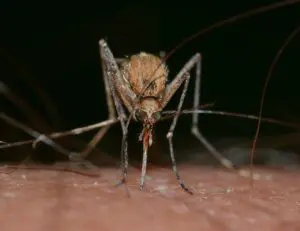
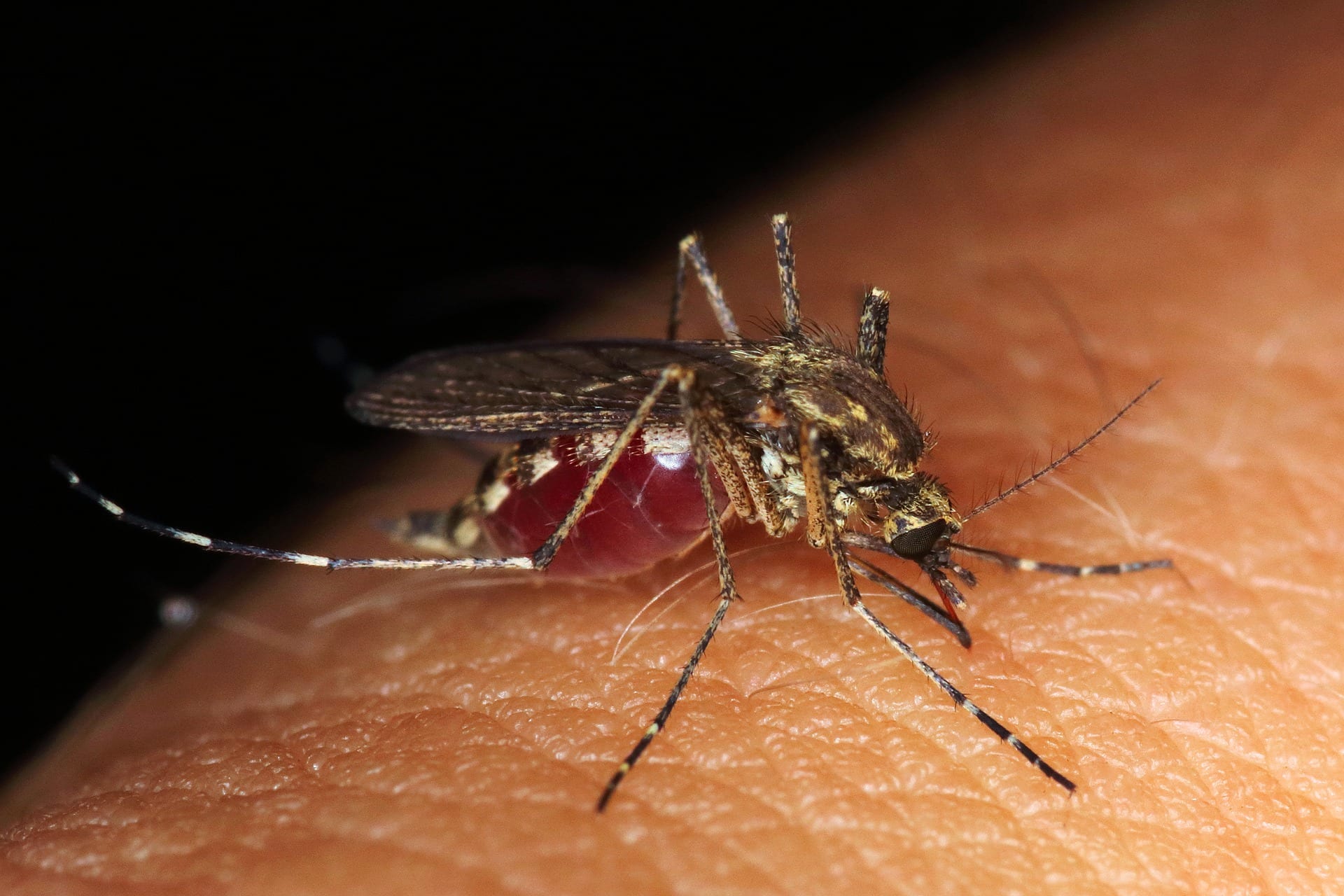
As stated previously, these pests are aggressive feeders and often seek blood meals during the day. These bites are characterized by a distinct pattern of various small, red, itchy welts on the skin. Unlike other mosquito species, they are known to bite multiple times in a single feed which increases the likelihood of irritation and discomfort for the host.
Understanding Asian Tiger Mosquito Bite Reactions
The reactions to bites vary among individuals. While some may experience mild itching and redness at the bite site, others have been known to develop more severe symptoms, including swelling, pain, and inflammation. In sensitive individuals, bites can trigger allergic reactions that lead to more pronounced symptoms such as hives, blistering, and in rare cases, anaphylaxis.
The bites cause discomfort but also carry the risk of transmitting various diseases. These mosquitoes are vectors of pathogens such as dengue virus, Zika virus, and chikungunya virus. Therefore, a bite not only poses a nuisance but also represents a public health threat.
Effective management of these bites involves both personal protective measures and targeted pest control strategies. Wearing long sleeves and pants, using eco-friendly insect repellents, and avoiding outdoor activities during peak activity hours can help reduce the risk of bites. Eliminating standing water sources around homes and implementing larval control measures can also help minimize mosquito populations and mitigate the incidence of bites.
Asian Tiger Mosquito Bite Prevention
Preventing bites is vital for minimizing discomfort and reducing the risk of disease transmission.
Below, we take a look at some effective methods to protect against bites from these pests:
- Use Insect Repellents: Apply eco-friendly insect repellents containing DEET, picaridin, or oil of lemon eucalyptus to exposed skin and clothing before outdoor activities.
- Wear Protective Clothing: Dress in long sleeves, pants, and socks when spending time outdoors, especially during dawn and dusk when mosquito activity is highest.
- Eliminate Standing Water: Remove or regularly empty containers, such as flower pots, bird baths, and clogged gutters, that can serve as breeding grounds for mosquitoes.
- Install Screens: Use window and door screens to prevent mosquitoes from entering your home.
- Work with Professional Pest Control Services: Professional pest control services can help assess and manage populations in and around your property. A professional pest control company can provide expert advice on habitat modification, larvicide applications, and adult mosquito control measures to reduce the risk of bites and disease transmission.
Asian Tiger Mosquito Bite Allergies
While most individuals experience mild irritation from these bites, as stated previously, some may develop allergic reactions or related sensitivities.
Symptoms of Asian Tiger Mosquito bite allergies can include:
- Severe itching
- Swelling
- Redness
- Localized or generalized hives
- Difficulty breathing
- In rare cases of anaphylaxis
If you experience severe or persistent symptoms after a mosquito bite, seek immediate medical attention. Allergy testing may be recommended to identify specific triggers and develop a management plan. In cases of severe allergic reactions, carrying an epinephrine auto-injector (EpiPen) and wearing medical alert identification can be life-saving measures.
Healing Asian Tiger Mosquito Bites Naturally
Bites can be uncomfortable and irritating, but there are several natural remedies and treatments that can help alleviate symptoms.
Below are some options for soothing bites from these mosquitoes using natural methods:
- Aloe Vera: Apply aloe vera gel directly to the bite to reduce inflammation and itching.
- Cold Compress: Place a cold compress or ice pack on the affected area to numb the skin and reduce swelling.
- Oatmeal Bath: Soak in a bath with colloidal oatmeal to relieve itching and soothe irritated skin.
- Tea Tree Oil: Dilute tea tree oil with a carrier oil, such as coconut oil, and apply it to the bite for its anti-inflammatory and antiseptic properties.
- Calamine Lotion: Use calamine lotion to soothe itching and provide a protective barrier over the bite.
- Honey: Dab a small amount of honey onto the bite to help reduce inflammation and promote healing.
These natural remedies can offer relief from bites and promote faster healing without the use of harsh chemicals or medications.
Asian Tiger Mosquito Bite vs. Other Mosquito Species: What Sets Them Apart
These bites exhibit unique characteristics that distinguish them from bites of other mosquito species. Let’s take a closer look below.
- Appearance: Bites typically leave multiple small, red welts clustered together on the skin, whereas bites from other species may appear as larger, solitary bumps.
- Aggressiveness: Asian Tiger Mosquitoes are known for their aggressive biting behavior, often seeking blood meals during daylight hours, whereas other mosquito species may be more active at night.
- Biting Pattern: These pests tend to bite multiple times in a single feeding session, leaving behind a series of bites in a localized area.
Understanding these differences can help individuals identify these bites and implement appropriate prevention and treatment measures.
Asian Tiger Mosquito Life Cycle
The lifecycle of this mosquito species is a complex process that plays an important role in their population dynamics and spread.
Understanding the Stages of Asian Tiger Mosquito Development
The development progresses through four distinct stages: egg, larva, pupa, and adult - just like other mosquito species. Each stage has unique characteristics and requirements, contributing to the overall lifecycle of the mosquito.
- Egg Stage: Females lay their eggs in small, water-filled containers or natural water sources. These eggs are laid individually and can withstand periods of desiccation, allowing them to survive in dry conditions until they are submerged in water.
- Larval Stage: Once the eggs are submerged in water, they hatch into larvae within a few days. Larvae are aquatic and have distinct characteristics, including a segmented body with a prominent head and abdomen.
- Pupal Stage: After the larval stage, they enter the pupal stage, during which they undergo metamorphosis into adult mosquitoes.
- Adult Stage: Once the metamorphosis is complete, adults emerge from the pupal stage and become active flyers. They seek out hosts for blood meals, with females requiring blood to develop eggs. Adult mosquitoes mate, and the females lay eggs to initiate a new generation, completing the life cycle.
Understanding the stages of development is essential for implementing targeted mosquito control measures at various points in their lifecycle, such as larvicide applications to reduce larval populations or adulticide treatments to target flying adults.
Asian Tiger Mosquitoes and Their Unique Feeding Habits
The species exhibits intriguing feeding habits that distinguish them from other mosquito species.
Dietary Preferences
Asian Tiger Mosquitoes display a diverse range of dietary preferences, encompassing both nectar and blood feeding behaviors.
- Nectar Feeding: Like many other mosquito species, they primarily feed on nectar from flowers. Nectar serves as a source of energy, providing essential carbohydrates for flight and reproduction. By consuming nectar, female mosquitoes can obtain the nutrients necessary for egg development.
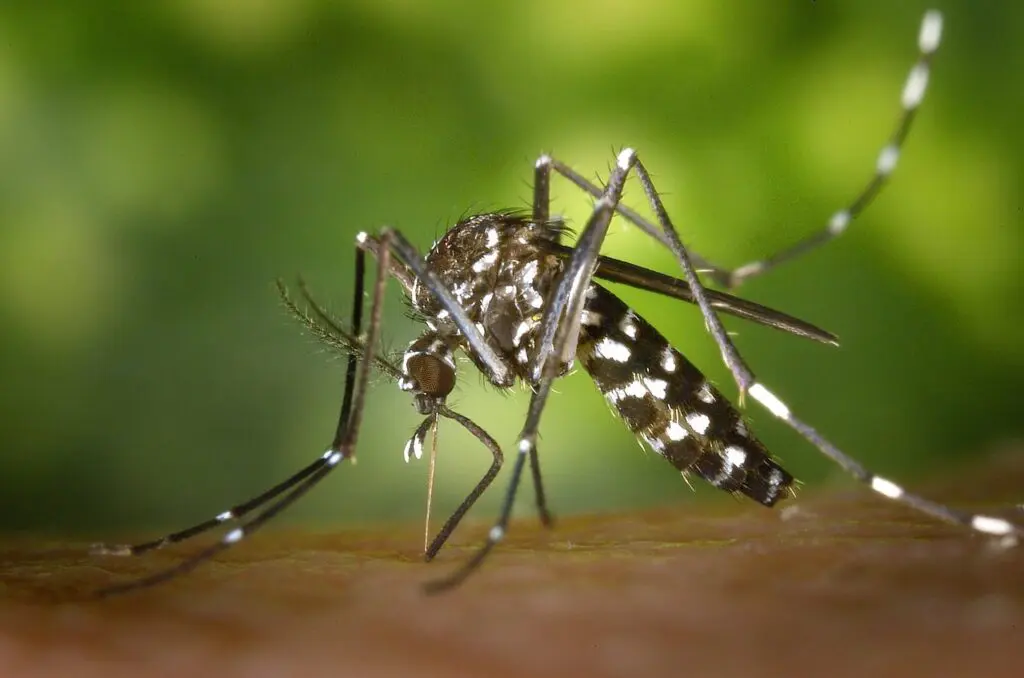
- Blood Feeding: While both male and female mosquitoes feed on nectar, only females bite as they require blood meals to complete the reproductive process. Unlike some other mosquito species that primarily feed on birds or mammals, these exhibit opportunistic feeding behavior, readily biting a wide range of hosts, including humans, birds, mammals, and even reptiles.
The versatility in their choice of blood hosts contributes to their adaptability and widespread distribution. By disrupting their feeding habits, it's possible to mitigate the risk of mosquito-borne diseases and create safer environments for communities.
Managing and Controlling The Presence of Asian Tiger Mosquitoes
Effectively managing and controlling this mosquito population requires a multifaceted approach that targets various stages of their lifecycle and addresses environmental factors conducive to their breeding and spread.
Excel Pest Solutions offers comprehensive year-round mosquito control services, including customized treatment plans based on the specific needs and characteristics of a property, regular monitoring and maintenance, and education and outreach about preventive measures.
Our services include:
- Customized Treatment Plans: We develop tailored treatment plans based on the specific needs and characteristics of your property, targeting mosquito breeding sites and resting areas.
- Regular Monitoring and Maintenance: We provide ongoing monitoring and maintenance to ensure the effectiveness of our control measures throughout the year.
- Education and Outreach: We educate clients about the pests and provide recommendations for preventive measures to reduce their presence and minimize the risk of mosquito-borne diseases.
Contact Excel Pest Services today to learn more about our comprehensive pest control solutions and take the first step towards a mosquito-free environment.