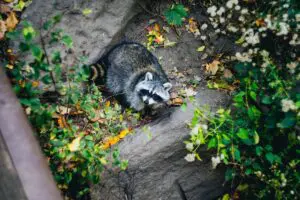







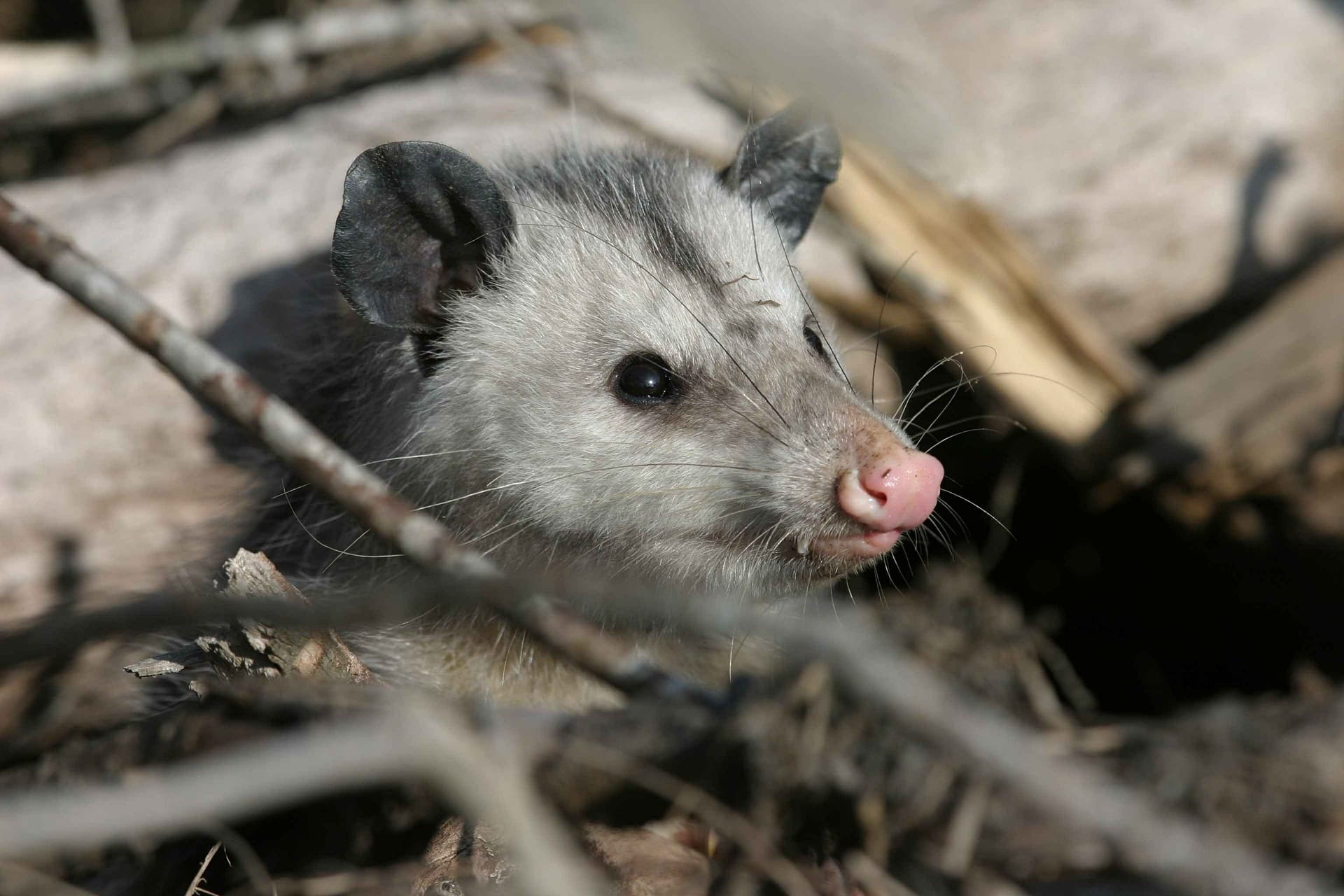
The opossum’s appearance is mildly frightening, but unfortunately, that’s not the only negative when it comes to opossums. These spooky pests are known to tear apart gardens, steal food, and terrorize our beloved pets. Luckily for us, there are a few ways to keep opossums out of our yards and gardens. We put together a list of the most effective methods.
Identification and Damage
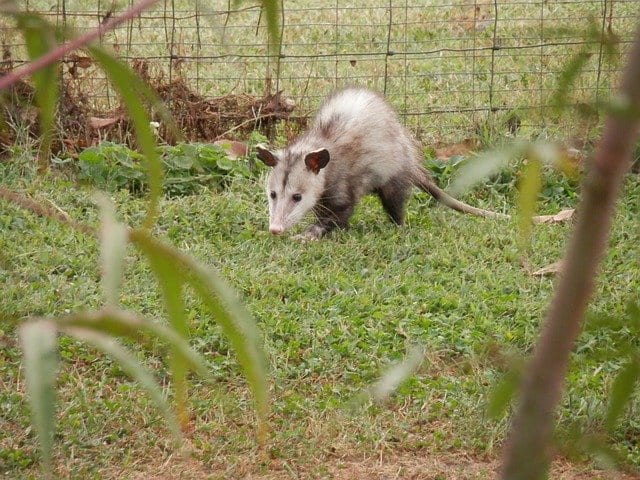
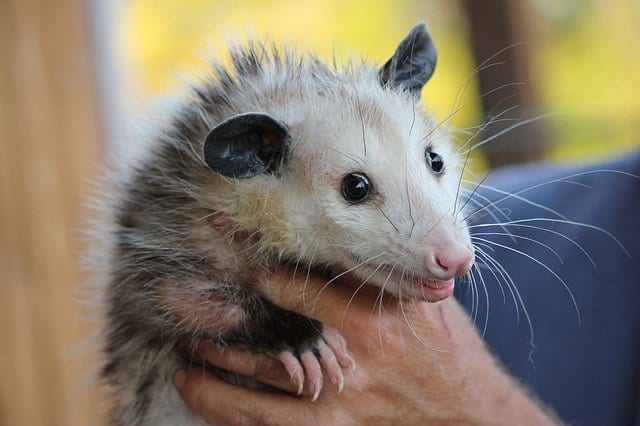
Before we get to prevention methods, let’s take a look at what, exactly, opossums are. Believe it or not, opossums are the only marsupials found in the United States! That may be the only cool thing about them, though, because they tend to be quite troublesome pests. There are many species of opossums, but they all look pretty similar. They range from 1 to 4 feet in length, and can weigh up to 15 pounds! Their fur is silver or gray in color, and they have long, hairless tails. Some of the opossum’s habits that cause it to be considered a pest include destroying gardens and yards, rifling through trash cans, and stealing food that was left out. Although they do not spray like skunks do, opossums emit a foul smell when they play dead, which is never a pleasant occurrence. They can also carry fleas, ticks, and diseases like leptospirosis. In some cases, they may even become aggressive and cause injury to you or your pets.
How To Keep Opossums Away
Now that we’ve talked about what opossums are capable of, let’s look at how to keep them from carrying out their troublesome habits in our yards. Here are a few control methods you can try:
Eliminate Food Sources
The main reason opossums enter yards and gardens is to look for food. Of course, you should never intentionally feed opossums, as that will cause them to keep coming back, and may cause them to become aggressive when you stop feeding them. You should also try to avoid feeding them unintentionally, which means keeping your yard as clean as possible. Opossums love fruit, so make sure to clean up any fallen fruits on a regular basis. Pick and discard overripe fruits and vegetables as well. Make sure your garbage cans have tight-fitting lids, and keep all compost inside a compost container. If you feed your pets outside, be sure to bring in any pet food each night. Clean your outdoor grills well after each use so the smell of whatever was cooked does not attract opossums. Opossums will eat birdseed, so try to avoid letting any seed fall to the ground. Bird feeders with attached seed-catchers are great for this purpose.
Eliminate Hiding Spots
Opossums like areas with plenty of hiding places. Common locations in which they make their homes include wooded areas, abandoned burrows, tree crevices, brush piles, fields near water, outdoor buildings like sheds, and beneath stairs or decks. In order to keep opossums from moving into your yard, you should eliminate as many of these places as possible. This means keeping grass and shrubbery trimmed, cleaning up debris, keeping brush piles far away from living areas, and repairing any holes in shed walls. Opossums are not usually eager to enter gardens that are well-maintained, so keep your garden clean, organized, and free of debris.
Exclude Them
Exclusion fences are one of the best ways to keep opossums out of your garden. To efficiently keep the pests out, a fence should be at least 4 feet high and should extend 3 to 4 feet below the ground. The fence should be constructed from woven wire, concrete, or hardwood. Softwoods can be chewed through fairly easily by most pests. To prevent opossums from climbing the fence, the top should point outwards, away from the garden, so opossums cannot get over. Electric fences can also be implemented, or even added to existing fences.
Repel Them
Opossums have very keen senses of smell, so they are easily repelled by certain scents. Ammonia is particularly effective. To create your own possum repellent, try this method by pouring some ammonia into a container with a lid. Slice a hole into the lid and feed a rag through. Put the lid back onto the container, so most of the rag is in the ammonia and some is sticking out of the container. The rag will disperse the scent further than the ammonia alone, repelling any opossums around. The ammonia container serves best when placed somewhere inside the garden. Opossums also do not like the smell of garlic or chili powder, so spreading some of either of these in various places around your yard will keep opossums away. Some people like to use mothballs as an opossum deterrent, but we do not recommend this method. Mothballs are regulated by the EPA, and the use of mothballs outdoors or for any purpose not listed on the label is illegal and potentially harmful to the environment.
Scare Them
Like most pests, opossums will flee at any sign of danger. Using their fears against them is a great way to keep them from destroying your garden. After brushing your dog or cat, put their fur in small mesh bags. Distribute the bags around your yard, especially in problem areas like the garden. The smell from the fur makes the opossums think a predator is near, and they will avoid that area altogether. There are also motion-activated devices on the market that will scare opossums away. One of these devices is a motion-activated sprinkler.
Set Traps
Setting traps can prevent opossums from returning to your yard or garden. Make sure the traps are hidden so the opossums are not scared off by them. Covering the traps in debris is a good way to camouflage them. Lethal traps may not be legal in your state, so try to use a humane trap. Once you have captured an opossum, call animal control to take care of it. Do not try to deal with the trapped opossum yourself, as they tend to become aggressive after being trapped.
Hopefully you rarely, if ever, have to deal with an opossum in your garden. If you find that you have a recurring problem and need help to get rid of opossums, call our experts at Excel today and we’ll take care of your problem for you.
Our services extend beyond wildlife control. Whether you're facing wildlife issues or dealing with unwanted pests at your property, be it at your home or place of business, contact us for residential pest control and commercial pest control services. Excel Pest Services is here to provide effective solutions for your wildlife and pest control needs. For more information about our comprehensive services, have a look at our resource page.