






Bed Bug Treatment Prep List: Complete Preparation Guide
June 24, 2026
Getting your home ready before professional bed bug treatment is essential for success. While our expert technicians do the heavy lifting, proper preparation on your part directly impacts treatment effectiveness. This comprehensive guide covers everything you need to know about how to prepare for bed bug extermination—from what to do before the exterminator comes to post-treatment care.
Bed bugs are notoriously difficult to eliminate without professional intervention. The preparation process might seem involved, but it's absolutely critical. Skipping prep steps or incomplete preparation can reduce treatment effectiveness by 30-40%, meaning bed bugs may return after treatment.
This guide breaks down bed bug treatment preparation into simple, actionable steps so you can be ready and confident when our technician arrives.
Why Bed Bug Preparation Is Critical
Bed bug treatment isn't just about spray application. Professional bed bug extermination requires a multi-faceted approach that combines chemical treatment, inspection, and environmental modification. Your preparation sets the stage for success.
How Preparation Improves Results:
- Removes Hiding Spots: Bed bugs hide in mattresses, furniture, clothing, and clutter. Removing and bagging items forces bugs into the open where treatment is more effective.
- Allows Complete Access: Moving furniture and clearing floors lets the technician treat baseboards, under-bed areas, and other critical zones where bed bugs hide and travel.
- Breaks Reproduction Cycles: Washing bedding and clothing in hot water kills bed bug eggs and adults on fabrics. This prevents them from re-infesting clean areas.
- Reduces Recontamination: Sealed bags keep cleaned items isolated from treated areas, preventing bugs from recontaminating your clean belongings.
- Maximizes Treatment Coverage: When rooms are decluttered and prepared, treatment chemicals reach more surface area, killing more bugs in one application.
Bottom Line: Professional treatment + proper preparation = 95%+ elimination success on first or second service. Skipping prep dramatically reduces effectiveness.
Before Treatment - Preparation Checklist
Clothing & Bedding
☐ Remove all bedding: Pull all sheets, pillowcases, comforters, mattress pads, and blankets off beds. Place them immediately in sealed plastic bags.
☐ Wash everything in hot water: Wash all bedding, curtains, and clothing that may have contacted bed bugs in the hottest water setting. Dry on the highest heat setting for at least 45 minutes. Heat kills bed bugs at all life stages.
☐ Keep cleaned items sealed: Store washed items in sealed plastic bags immediately after drying. Important: Keep them sealed for 7 days after your final treatment is completed. This prevents recontamination if any bugs emerge from hiding after treatment.
Why this matters: Bed bugs hide in fabric. Hot water and high heat kill eggs and adults. Sealing bags prevents contamination from treated areas.
Furniture
☐ Empty all furniture: Remove everything from dressers, nightstands, closets, under-bed storage, and drawers. Place items in sealed plastic bags or bins immediately.
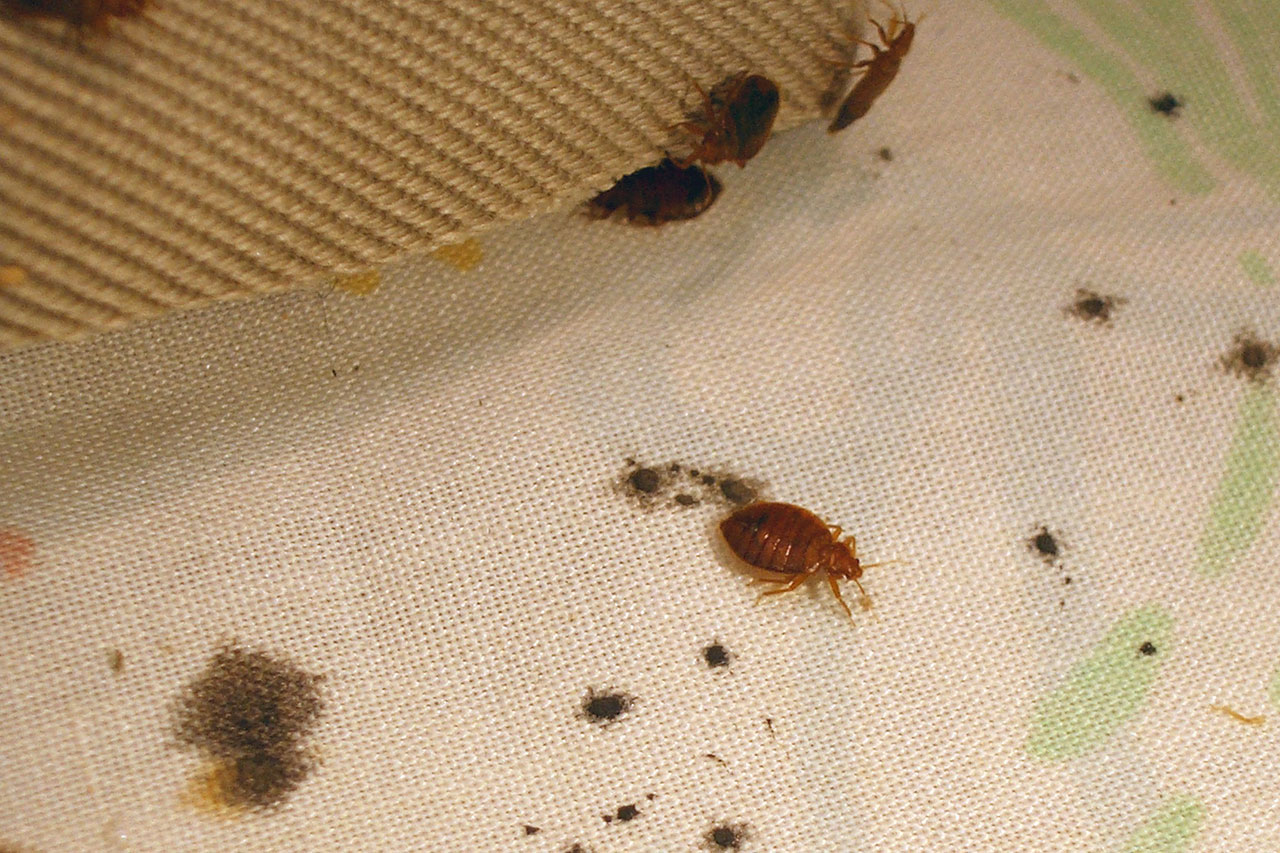
☐ Inspect furniture for bugs: While emptying, visually inspect furniture for bed bugs or fecal spots (tiny black marks).
☐ Move furniture away from walls: Move beds, dressers, nightstands, and other furniture approximately 8 inches away from walls. This allows the technician to treat baseboards, wall areas, and the space behind/under furniture where bed bugs hide.
☐ Don't dispose of furniture hastily: While severe infestations might require furniture disposal, most infestations can be treated professionally. Consult with our technician before discarding—it's often unnecessary.
Why this matters: Bed bugs don't live in furniture fabric (like fleas do); they hide in seams, joints, cracks, and nearby areas. Clearing and moving furniture provides access to these hiding spots.
Personal Belongings
☐ Bag small items: Place books, electronics, photos, personal items, and decorative objects in sealed plastic bags or clear containers.
☐ Vacuum and bag luggage: Thoroughly vacuum all suitcases, backpacks, and bags inside and out. Seal them in plastic bags. Bed bugs often travel in luggage—this prevents them from spreading or being transported.
☐ Don't leave items loose: Every item left out of bags becomes a potential hiding spot for bed bugs. Err on the side of sealing more items rather than fewer.
Why this matters: Bed bugs can hide in the smallest spaces. Sealed bags isolate items from treatment areas while allowing fumigation chemicals to reach any hiding bugs.
Vacuuming
☐ Vacuum thoroughly: Vacuum all floors, carpets, rugs, mattresses (top, bottom, and sides), bed frames, upholstered furniture, and any other surface where bugs might hide.
☐ Pay special attention to: Mattress seams and tufts, bed frame joints, baseboards, carpet edges, furniture crevices, and areas where carpet meets walls.
☐ Dispose immediately: After vacuuming, immediately place the vacuum bag or canister contents in a sealed plastic bag and discard it outside your home. Don't leave it in the house.
☐ Continue vacuuming after treatment: After your first and second treatments, vacuum again 1-2 days later. This removes dead bed bugs and helps pull remaining bugs out of hiding for the next treatment phase.
Why this matters: Vacuuming removes bed bugs and eggs from surfaces, reducing the population before chemical treatment. Proper disposal prevents bugs from escaping back into your home.
Kitchen & Food
☐ Cover or remove food: Cover all food, store it in sealed containers, or remove it from the home during treatment.
☐ Secure dishes and utensils: Place dishes, utensils, and glasses in sealed containers or remove them.
☐ Empty and clean cabinets: If the infestation has spread to kitchen areas, empty cabinets and wipe them down with soapy water.
Why this matters: While bed bug treatment chemicals are safe once dried, precaution during application is wise. Food safety is important.
Electrical Outlets
☐ Remove all outlet covers: Remove outlet covers from walls throughout the entire home. Important: Do this only on the first service visit.
☐ Reinstall after first service: You can reinstall outlet covers after the initial treatment is complete.
☐ Wash your hands: After handling outlet covers, wash your hands thoroughly with soap and water.
Why this matters: Bed bugs hide behind outlet covers and in outlet spaces. Removing them allows treatment access to these hidden areas. They don't need to remain off for subsequent visits once treatment has begun.
Pets
☐ Remove pets during treatment: All pets (dogs, cats, birds, etc.) must be out of the home during treatment and for 4 hours afterward.
☐ Wash pet bedding: Remove and wash all pet bedding in hot water. Dry on high heat, then store in sealed bags.
☐ Plan care for pets: Arrange for pets to stay with a friend, family member, or boarding facility during treatment.
Why this matters: Pet safety during chemical application. Also, bed bugs don't live on pets, but can hide in pet bedding.
Leaving Your Home
☐ Everyone must leave: All residents and pets must vacate the home during treatment and remain away for 4 hours.
☐ Plan ahead: Arrange your schedule in advance. Know where you'll be during the 4-hour treatment window.
☐ Return timing: You can safely return 4 hours after the technician finishes and product is fully dried.
Why this matters: Safety during application of treatment chemicals.
Immediately After Treatment (After 4 Hours)
☐ Clean food contact surfaces: Once the treatment is fully dried, wash all countertops, tables, and food preparation surfaces with soapy water to remove residual chemicals.
☐ Ventilate your home: Open windows to air out your home. The treated areas should be well-ventilated.
☐ You can return to normal: After 4 hours, treated areas are safe. You can sleep in your bed, use furniture, and return to normal activities.
The 10-14 Day Period (Critical for Success)
⚠️ This is the most important phase after treatment:
☐ Expect to see more bed bug activity: This is NORMAL and a GOOD SIGN. It means the product is working. Bed bugs come out of hiding as the treatment takes effect. Don't be alarmed.
☐ DO NOT clean treated areas: Avoid vacuuming, sweeping, or mopping baseboards, entry points, and other treated areas for 10-14 days. Cleaning removes the treatment barrier and reduces effectiveness.
☐ Keep items sealed: Continue keeping bedding and belongings sealed in plastic bags for 7 days after your final treatment.
☐ Continue vacuuming non-treated areas: You can vacuum carpets and furniture not directly treated. This removes dead bugs and pulled bugs from hiding.
☐ Sleep in your own bed: Once the treatment is fully dried (usually 30 minutes to 2 hours), it's safe to sleep in your bed. Don't worry—the treatment won't harm you or your family.
☐ Allow treatment to work: The treatment reaches FULL effectiveness 10-14 days after your second treatment. This is when most remaining bed bugs are eliminated.
Common FAQs for Bed Bug Treatment
Q: What do I need to do before the exterminator comes for bed bugs?
A: Follow a comprehensive preparation that includes: washing all bedding in hot water, bagging all clothing and personal items, vacuuming thoroughly, removing pets, moving furniture away from walls, emptying drawers and closets, and leaving your home during treatment. Our complete prep checklist walks through every step needed.
Q: How should I prepare my home for bed bug treatment?
A: Preparation involves removing hiding spots and allowing technician access. Remove and wash all bedding, vacuum thoroughly, seal personal items in bags, move furniture 8 inches from walls, remove electrical outlet covers (first service only), clear all clutter, and arrange for pets and residents to be away for 4 hours during treatment.
Q: What should I do the day before bed bug treatment?
A: The day before treatment, complete major prep tasks: wash bedding, bag personal items, vacuum thoroughly, and remove pets. The day of treatment, do a final light vacuum, remove outlet covers, move furniture, and make sure everything is bagged or sealed. Arrange your schedule to be away for the 4-hour treatment window.
Q: How long does bed bug preparation take?
A: Most homes take 4-8 hours to fully prepare, depending on home size and clutter level. Breaking it into tasks over 2-3 days makes it manageable. The washing/drying of bedding and clothes happens simultaneously with other prep work.
Q: What happens if I don't prepare properly for bed bug treatment?
A: Incomplete preparation significantly reduces treatment effectiveness (30-40% reduction in success rate). Bugs hidden in clutter, sealed items, and under furniture won't be reached by treatment. You may need additional expensive treatments or face reinfestation.
Q: Can I sleep in my bed after bed bug treatment?
A: Yes. Once the treatment product is fully dried (usually 30 minutes to 2 hours after application), it's completely safe to sleep in your bed. The treated mattress is safe once dry.
Q: What should I do after bed bug extermination?
A: Clean food surfaces with soapy water after 4 hours. Avoid vacuuming or cleaning treated baseboards and entry points for 10-14 days—this allows treatment to work. Continue vacuuming carpets and non-treated furniture. Keep bedding sealed in plastic bags for 7 days after your final treatment. Expect to see some bed bug activity 3-5 days after treatment—this is normal.
Q: How long until bed bug treatment is fully effective?
A: Full effectiveness takes 10-14 days after your second treatment. Most visible results appear within 3-7 days. However, the treatment continues working through day 14 as remaining bugs encounter treated surfaces.
Q: Do I need a second bed bug treatment?
A: Yes, typically. Most professional bed bug treatments require 2 services (7-10 days apart). The first treatment kills active bugs and adults. The second treatment eliminates bugs that hatched from eggs after the first service. Two treatments provide 95%+ success rate.
Q: Is bed bug treatment safe for my family?
A: Yes. Professional bed bug treatment uses EPA-approved products. Once dried (typically 2-4 hours), treated areas are completely safe for children, pets, and pregnant women. We use the safest methods available.
Q: What if I see bed bugs after treatment?
A: Seeing bed bugs 3-5 days after treatment is normal—it means the treatment is working. Bugs are being flushed out of hiding. If you see bugs after 10-14 days (post-second treatment), contact us immediately for follow-up service. Our Worry-Free Pest-Free Guarantee covers this.
Q: Should I throw away my mattress for bed bugs?
A: No, usually not. Professional bed bug treatment can eliminate infestations without mattress replacement. Only severely infested mattresses (full coverage, structural damage) require disposal. Our technician will advise during inspection.
Why Trust Excel for Bed Bug Treatment Preparation & Removal
30+ Years of Bed Bug Expertise
Since 1991, Excel Pest Services has helped thousands of homeowners eliminate bed bugs. We understand the comprehensive approach needed for success.
Professional Bed Bug Specialists
Our technicians are trained in bed bug biology, behavior, and the most effective elimination methods. We know exactly where bed bugs hide and how to reach them.
Comprehensive Approach
We don't just spray. Our bed bug program includes thorough inspection, identification of all infested areas, targeted treatment, follow-up visits, and ongoing monitoring to ensure complete elimination.
A+ BBB Accredited
We maintain an A+ Better Business Bureau rating—a commitment to quality service and customer satisfaction.
Satisfaction Guaranteed
Our Worry-Free Pest-Free Guarantee means if bed bugs return after treatment, we return at no charge. Unlimited free visits until the problem is solved.
EPA-Certified Technicians
All our technicians use only EPA-approved bed bug treatment products following strict safety protocols.
Ready to Get Rid of Bed Bugs? We're Here to Help
Bed bug infestations won't go away on their own. DIY methods rarely work because bed bugs hide in locations difficult to access without professional equipment and expertise.
Excel Pest Services provides comprehensive bed bug elimination that includes:
✓ Detailed inspection to identify all infested areas
✓ Targeted professional treatment (chemical and/or heat)
✓ Complete preparation guidance (this checklist)
✓ Follow-up treatments for guaranteed success
✓ Worry-Free Pest-Free Guarantee (free returns if bugs reappear)
Bed bug infestations are stressful, but they're completely treatable with professional help and proper preparation. By following this comprehensive prep checklist, you're setting yourself up for success. Our expert technicians will handle the elimination—your job is preparation.
Ready to reclaim your home? Contact Excel Pest Services today. We've been helping families and businesses eliminate bed bugs for over 30 years. Let's get yours resolved quickly and completely.