







A flea infestation can be a huge pain. It is often hard to know, however, whether you are dealing with fleas or another pest. If you are concerned that you might have fleas in your house, there are a few signs to watch out for.
Does Your Pet Have Fleas?
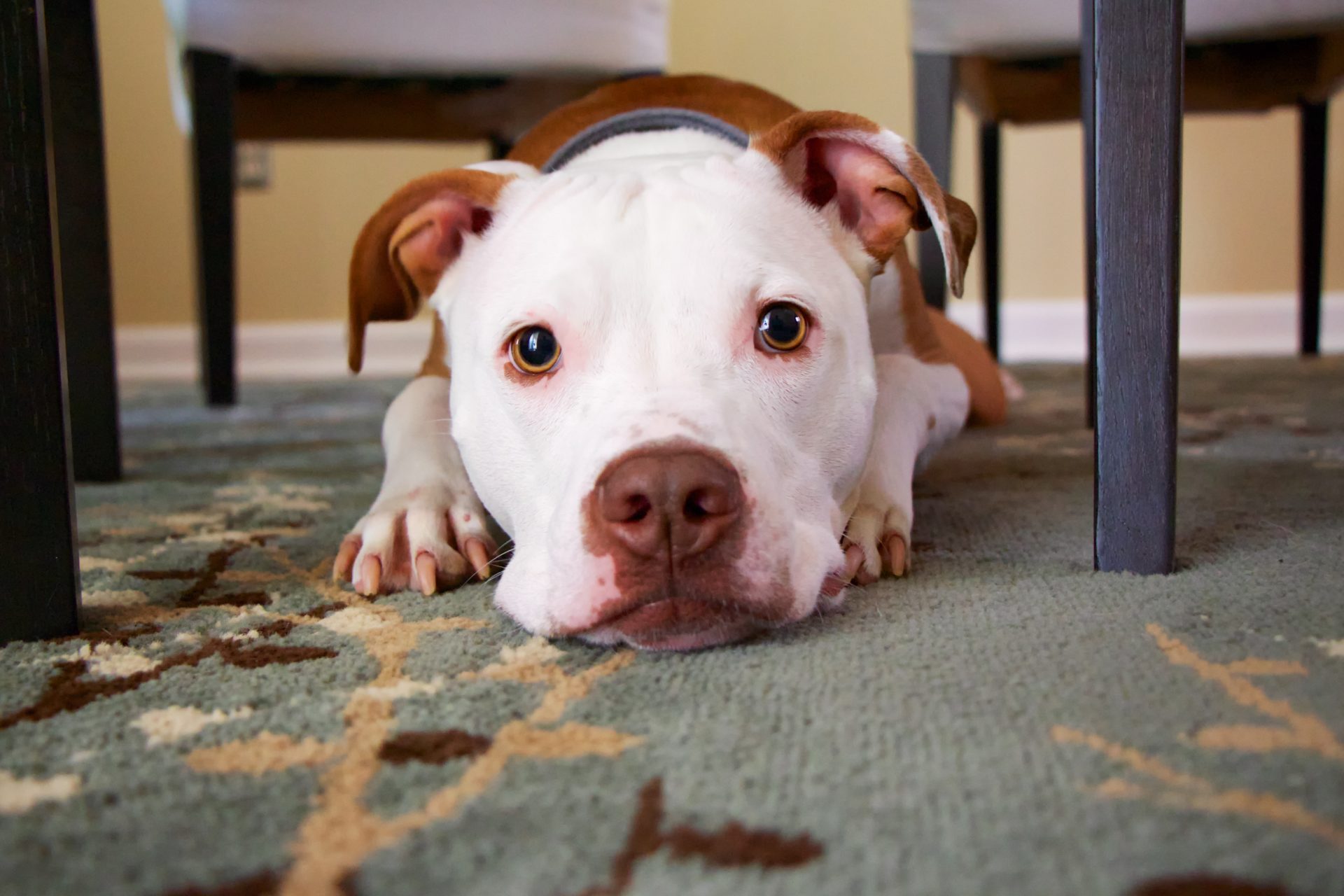
If your pet has fleas, there is a good chance fleas are present elsewhere in your home as well. One of the easiest signs to spot is flea dirt, or flea feces, which can be visible on your pet, in their bedding, or around the areas where they regularly rest. It usually appears as tiny dark brown or black specks.
In addition, if you notice that your pet is scratching, biting, or grooming itself more than usual, carefully check its coat and skin. Adult fleas are small, dark-colored insects that move quickly through fur and can be difficult to spot. A fine-toothed flea comb can make it easier to check areas where fleas commonly gather, particularly around the hindquarters, belly, and base of the tail.
If you check your pet and do not see any fleas, that does not necessarily rule out an infestation. Fleas can be difficult to find, and much of their life cycle takes place away from the animal. If your pet continues to scratch or develops irritated skin, hair loss, or an unexplained rash, speak to your veterinarian. Some pets are particularly sensitive to flea bites and can develop flea allergy dermatitis.
Do You Have Bites Near Your Ankles?
Fleas often bite people around the ankles and lower legs because adults can jump onto a host from carpets, flooring, pet bedding, and other areas close to the ground. Flea bites commonly appear as small, itchy red bumps, although bites alone are not enough to confirm that fleas are responsible.
If you aren't sure if you are dealing with fleas, put on a pair of white or light-colored socks and slowly walk across carpeted areas where your pet spends time. Adult fleas may jump onto the fabric, where their dark bodies are easier to see.
If fleas are present, it is a good idea to address the infestation as soon as possible with the help of a pest control company and professional flea exterminator.
Do You Have Flea Feces or Flea Residue on Your Carpet?
Fleas leave their droppings behind on pets, but flea feces can also collect in pet bedding, carpeting, upholstery, floor cracks, and other places where an infested animal spends time. This material is commonly known as flea dirt or flea residue.
How to identify flea feces and flea residue
Look for these common signs:
- Tiny black or dark brown specks: Flea feces can resemble finely ground black pepper and are often easier to see against light-colored bedding or surfaces.
- A salt-and-pepper appearance: Flea dirt may appear alongside pale flea eggs in areas where pets sleep or rest.
- Specks in your pet's coat: Run a flea comb through the fur, paying particular attention to the belly, hindquarters, and base of the tail.
- Dark residue on pet bedding: Flea feces can fall from an animal's coat and accumulate wherever they regularly sleep.
- A reddish-brown stain when wet: Because flea dirt contains digested blood, suspected flea feces may dissolve into a reddish or rusty-colored mark when placed on a damp white paper towel.
- Evidence without visible adult fleas: Finding flea residue can indicate flea activity even when you have not actually seen an adult flea.
Remember that not every dark speck is flea dirt. Dirt, crumbs, and other household debris can look similar, so look for several signs of flea activity rather than relying on residue alone.
If you are concerned about fleas, make sure to check your pets and the interior of your home, particularly bedding, rugs, carpeting, upholstered furniture, and other places pets regularly spend time. Outdoor areas used by pets can also contribute to recurring flea problems.
If you suspect that you do have an infestation, get in touch with Excel for a free inspection. We'll confirm whether or not there is an issue and help you come up with a flea control plan to successfully treat the problem. There is no reason to live with fleas if you don't have to!
What to Do About a Flea Infestation
Getting rid of fleas usually requires dealing with both the fleas on your pet and the different life stages developing around your home.
- Speak to your veterinarian about flea prevention. Flea treatments include topical products, oral medications, shampoos, and some flea collars, but the appropriate option depends on your pet. Always use a product intended for the correct animal species, age, and weight, and follow the label instructions carefully.
- Vacuum frequently. Vacuum carpets, rugs, upholstered furniture, cracks around flooring, and areas where pets sleep or spend the most time. Regular vacuuming helps remove flea eggs, larvae, adults, and the debris that developing fleas feed on.
- Wash pet bedding regularly. Wash bedding, blankets, and other washable fabrics used by pets and dry them thoroughly.
- Treat all pets appropriately. If several dogs or cats live in the home, treating only one animal may allow the flea life cycle to continue. Ask your veterinarian how each pet should be protected.
- Do not rely on flea residue disappearing immediately. Adult fleas are only one stage of the flea life cycle. Eggs, larvae, and pupae can remain in the surrounding environment, so controlling an established infestation may require continued cleaning and treatment rather than a single application.
- Avoid unverified DIY treatments. Do not apply essential oils, household powders, pesticides, or other substances directly to pets unless the product is specifically labelled for that use and appropriate for the animal. Cats and dogs can react differently to flea-control products, so veterinary advice is important.
Call a pest control professional for an established infestation
If fleas continue to appear despite treating your pets and cleaning the home, professional flea treatments can target the infestation in carpets, flooring, pet-resting areas, and other places where fleas develop.
Excel uses Integrated Pest Management, or IPM, which combines inspection, targeted treatment, and practical steps to help bring flea activity under control. If you've spotted flea feces, adult fleas, unexplained bites, or persistent scratching from your pets, contact Excel Pest Services to schedule a free inspection.